
Water Heater Repair & Replacement — Fast Local Service
Expert diagnosis and repair for tank, tankless, and heat pump water heaters. Same-day service available.
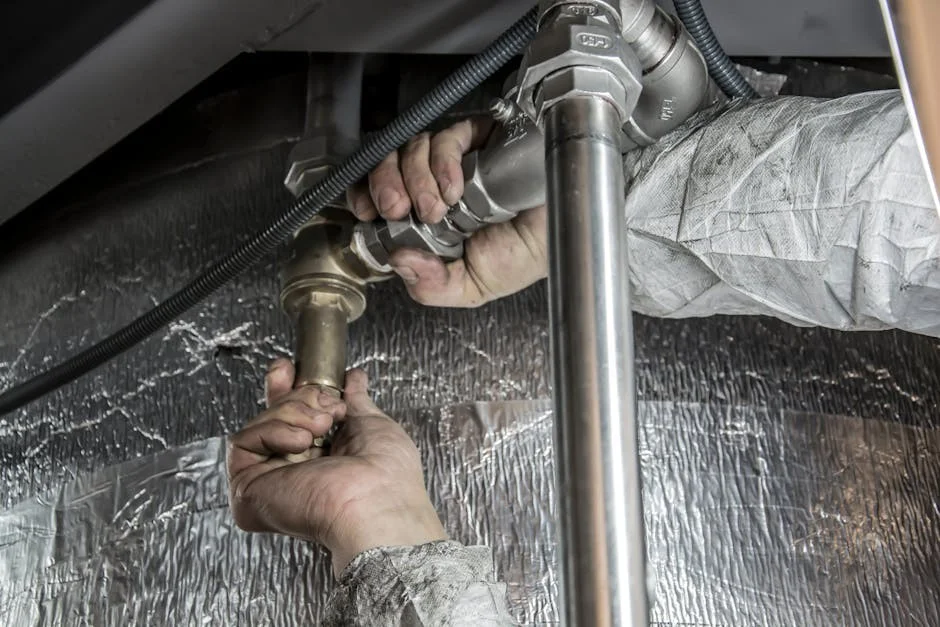
About Water Heater Repair & Replacement
Few home comfort failures are as immediately noticeable as a broken water heater. Cold showers, dishes that won't come clean, and laundry that never seems quite right — a failing water heater disrupts your daily life from the first moment. Whether your unit has stopped producing hot water entirely, runs out too quickly, makes strange rumbling noises, or is leaking around the base, the problem requires prompt professional attention.
Water heater repair is significantly more affordable than replacement when the unit is under 8–10 years old. Common repairs include replacing heating elements or thermostats on electric models ($150–$300), replacing gas valves or thermocouples on gas models ($100–$250), flushing sediment buildup ($80–$150), replacing the anode rod ($50–$200 including labor), and tightening fittings on leaking connections. However, a water heater that's over 10 years old, has a rusted tank, or requires a repair costing more than 50% of a new unit's price is typically better replaced.
Modern homeowners also face an important choice when replacing their water heater: traditional tank, tankless (on-demand), or heat pump water heater. Traditional tank water heaters are the most affordable upfront ($400–$900 installed) and familiar to most plumbers, but they continuously heat water even when you're not using it. Tankless units eliminate standby energy loss, deliver endless hot water, and last 20+ years, but cost $1,500–$3,500 installed. Heat pump water heaters are the most energy-efficient option — using up to 70% less electricity than standard electric tanks — but require adequate space and a moderate climate.
Natural gas, electric, propane, solar, and hybrid configurations each have different repair requirements. Always hire a licensed plumber (and sometimes a licensed gas fitter) for water heater work — improper installation or repair of a gas water heater can cause carbon monoxide poisoning, gas leaks, or fire.
Water Heater Repair & Replacement Cost Guide — 2026 National Averages
Costs vary by location, access, and job complexity. Use these as starting benchmarks.
| Service Item | Typical Range | Low End | High End |
|---|---|---|---|
| Heating element replacement | $150–$300 | $100 | $400 |
| Thermostat replacement | $100–$250 | $75 | $350 |
| Anode rod replacement | $150–$250 | $100 | $350 |
| Sediment flush/clean | $80–$150 | $60 | $250 |
| Pressure relief valve | $100–$200 | $75 | $300 |
| New 40-gallon gas WH install | $800–$1,400 | $600 | $2,000 |
| New 50-gallon electric install | $700–$1,200 | $500 | $1,800 |
| Tankless water heater install | $1,800–$3,500 | $1,200 | $5,000 |
* Prices based on national averages. Rates in major metro areas (New York, San Francisco, Los Angeles) typically run 30–80% higher. Rural areas may be 10–20% lower.
Signs You Need Professional Water Heater Repair & Replacement
If you're getting no hot water at all, a failed heating element, thermostat, or pilot light is likely. Fluctuating water temperature often indicates a failing thermostat or mixing valve.
Sediment (mineral scale) builds up at the bottom of the tank and causes overheating pockets that pop and rumble. This reduces efficiency and can eventually cause tank failure.
Orange or brown hot water usually indicates corrosion inside the tank. This is often a sign the tank is near the end of its life — a failing anode rod allows the steel tank to rust.
Any leak from the tank itself (not fittings) usually means the tank has corroded through and needs immediate replacement. Fitting leaks can often be repaired.
A failed bottom heating element in an electric unit is the most common cause. For gas units, sediment buildup reduces effective capacity.
Most tank water heaters last 8–12 years. If yours is in this range and showing any symptoms, proactive replacement avoids an emergency failure.
A failing water heater that struggles to maintain temperature runs longer and consumes significantly more energy — often the first sign of decline.
What to Expect from Your Water Heater Repair & Replacement Service
Plumber inspects unit: age, model, fuel type, symptoms
Diagnostic testing: thermostat, heating elements, gas valve, anode rod, sediment level
Plumber provides repair vs. replace recommendation with written estimate for both
For repair: parts sourced and installed same-day in most cases
For replacement: old unit drained and removed, new unit installed and tested (3–6 hours)
Permit pulled if required by local code (plumber handles this)
System tested: temperature, pressure relief valve, connections inspected
DIY vs. Professional Water Heater Repair & Replacement
| Approach | When It Works | When to Call a Pro |
|---|---|---|
| Flushing sediment | ✓ Homeowner task with a hose and bucket | ✗ Requires shutting off gas/power, connecting hose; straightforward for confident DIYers |
| Replacing anode rod | ✓ Possible for mechanically inclined homeowners | ✗ Requires shutting off unit, correct socket size; saves $100–$150 in labor |
| Replacing heating elements | ✓ DIY feasible but requires electrical knowledge | ✗ Risk of electric shock; unit must be fully drained |
| Gas valve or thermocouple replacement | ✓ Professional strongly recommended | ✗ Improper gas work risks explosion, fire, or carbon monoxide poisoning |
| New water heater installation | ✓ Professional required (and often legally mandated) | ✗ Permits, gas/electric connections, temperature/pressure relief valve — all require licensed plumber |
Find a Water Heater Repair & Replacement Pro Through Our Partners
Compare quotes from top-rated local plumbers on the platforms homeowners trust most.
Get a Free Water Heater Repair & Replacement Quote
Fill out the form — a licensed plumber will call you within 15 minutes.