
Bathroom Plumbing for Remodels & New Additions
Rough-in plumbing, fixture installation, and complete bathroom plumbing for remodels of any size.
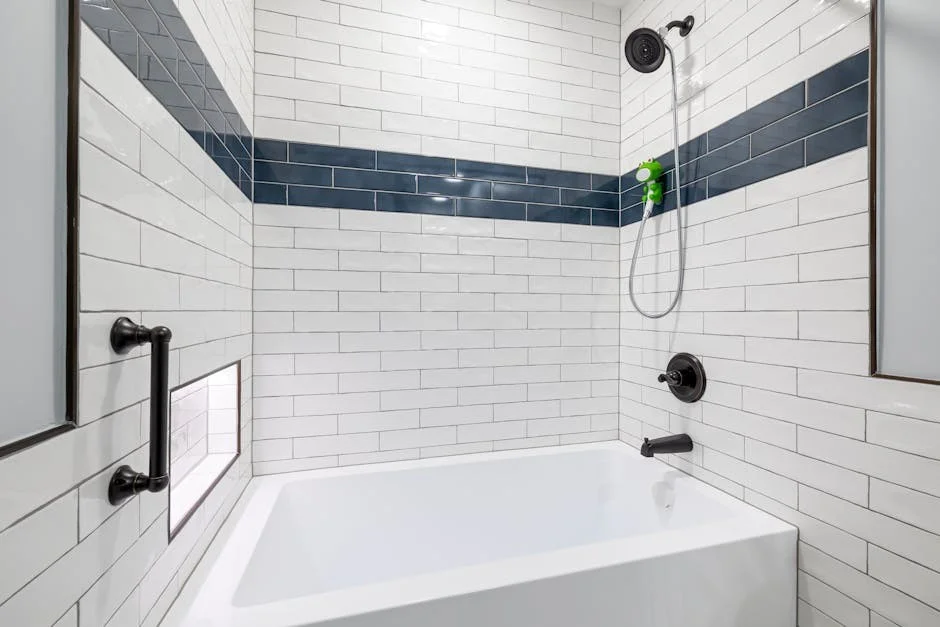
About Bathroom Remodeling
A bathroom remodel ranks among the highest-ROI home improvement projects — adding 50–70% of its cost back in home value at resale while dramatically improving daily comfort. But behind every beautiful tiled shower and gleaming new vanity is a complex plumbing rough-in: supply lines, drain lines, shower valves, vent connections, and precise measurements that must be right before a single tile goes up. Getting the plumbing right the first time saves thousands in tile demolition, water damage, and rework.
Bathroom plumbing remodel work falls into three categories: rough-in work (moving or extending supply and drain lines before walls are closed), valve and shower system installation (shower valves, thermostatic mixing valves, body spray systems), and trim-out work (installing fixtures, faucets, and making final connections). Most bathroom remodels require a licensed plumber for all three phases, with building permits required in most jurisdictions for any work that involves moving drain lines.
Master bath additions are among the most complex residential plumbing projects: adding a double vanity requires properly spaced supply and drain lines; a soaking tub requires a dedicated large-diameter drain and overflow; a steam shower requires a dedicated steam generator water supply; a standalone toilet in a water closet requires its own vent stack. Each element must meet local plumbing code requirements, which vary by municipality.
The cost of bathroom plumbing for a standard 5×8 foot renovation of an existing bathroom (same layout) runs $1,500–$4,000 for all rough-in and trim-out plumbing. Adding a new bathroom in an existing space (no plumbing currently there) costs $3,000–$8,000 for plumbing alone. A full master bath addition with all premium features can reach $8,000–$15,000 in plumbing costs. Always get the plumbing rough-in inspected and approved before closing up walls.
Bathroom Remodeling Cost Guide — 2026 National Averages
Costs vary by location, access, and job complexity. Use these as starting benchmarks.
| Service Item | Typical Range | Low End | High End |
|---|---|---|---|
| Toilet relocation | $800–$2,500 | $600 | $5,000 |
| New vanity plumbing (single) | $200–$500 | $150 | $800 |
| New vanity plumbing (double) | $400–$900 | $300 | $1,500 |
| Walk-in shower rough-in | $600–$1,500 | $400 | $2,500 |
| Soaking tub installation | $700–$1,800 | $500 | $3,000 |
| Full bath rough-in (new) | $3,000–$7,000 | $2,000 | $12,000 |
| Steam shower plumbing | $500–$1,200 | $350 | $2,500 |
* Prices based on national averages. Rates in major metro areas (New York, San Francisco, Los Angeles) typically run 30–80% higher. Rural areas may be 10–20% lower.
Signs You Need Professional Bathroom Remodeling
Any project that replaces a tub, shower, toilet, or vanity benefits from professional plumbing to ensure proper drain sizing, venting, and code compliance.
New bathrooms require running supply lines and drain lines from existing plumbing stacks — work that requires permits and a licensed plumber.
Walk-in showers require a larger linear drain or center drain, a low-profile shower base, and often changes to the shower valve and supply lines.
Standard rough-in spacing is designed for single sinks. Double vanities need supply lines spaced precisely under each bowl and a larger drain configuration.
Bathroom water damage from a failed pan liner, shower valve leak, or loose toilet wax ring — once walls are opened, upgrading the plumbing simultaneously makes economic sense.
Toilet relocation requires moving the drain stub-out (floor flange), which is significant concrete or subfloor work requiring permits and a licensed plumber.
What to Expect from Your Bathroom Remodeling Service
Plumber reviews remodel plans and identifies plumbing scope
Permit application submitted for drain work (where required)
Demo phase: plumber disconnects existing fixtures and old lines
Rough-in: supply and drain lines installed, inspected, and approved
Shower valve and systems pre-plumbed
Tile, flooring, and drywall work proceeds (by other contractors)
Trim-out: fixtures, faucets, shower system, toilet installed and connected
Final inspection and sign-off
DIY vs. Professional Bathroom Remodeling
| Approach | When It Works | When to Call a Pro |
|---|---|---|
| Replacing existing toilet, same location | ✓ DIY feasible | ✗ Disconnect supply line, remove old toilet, clean flange, set new wax ring and toilet. 2-hour project. |
| Replacing vanity faucet | ✓ Easy DIY | ✗ Shut off supply valves, disconnect and reconnect supply lines and drain P-trap. 30–60 minutes. |
| Moving drain lines | ✓ Professional required | ✗ Requires cutting concrete or subfloor, proper slope, permit, and inspection |
| Shower valve installation | ✓ Professional strongly recommended | ✗ Thermostatic and pressure-balance valves require precise water supply connection and testing |
| Full bathroom rough-in | ✓ Professional required | ✗ Complex, code-specific work requiring permit and inspection |
Find a Bathroom Remodeling Pro Through Our Partners
Compare quotes from top-rated local plumbers on the platforms homeowners trust most.
Get a Free Bathroom Remodeling Quote
Fill out the form — a licensed plumber will call you within 15 minutes.