
Pipe Repair & Whole-Home Repiping Services
From pinhole leaks to complete copper or PEX repipes. Licensed plumbers, same-day repairs available.
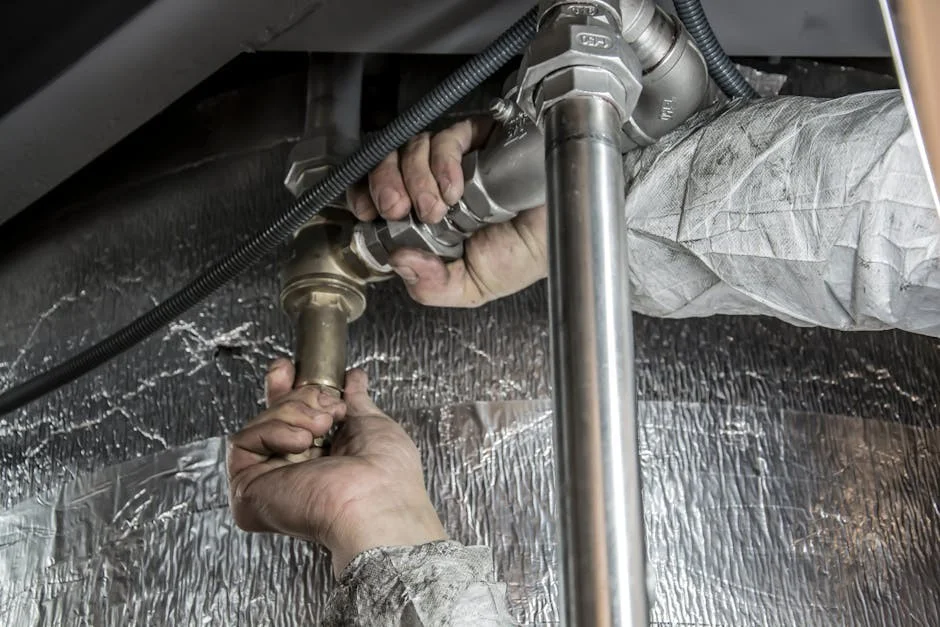
About Pipe Repair & Repiping
Your home's pipes are its circulatory system — constantly moving water to every fixture, appliance, and faucet. When they fail, even small problems can quickly become major water damage disasters. Pipe issues range from a slow pinhole leak that silently ruins drywall and causes mold to a catastrophic burst pipe that can release hundreds of gallons per hour. Professional pipe repair and repiping services address the full spectrum of pipe problems efficiently and permanently.
Single pipe repairs are appropriate when damage is isolated — a burst section from freezing, a corroded joint at a specific fitting, or a pinhole leak in an accessible location. These repairs typically cost $200–$800 depending on accessibility and pipe diameter. The affected section is cut out and replaced with new copper, CPVC, or PEX pipe. With access to the pipe (open ceiling or wall), most single repairs take 2–4 hours.
Whole-home repiping becomes necessary when the existing plumbing system has deteriorated beyond isolated repair. Galvanized steel pipes (common in homes built before 1970) corrode from the inside out, progressively restricting water flow and leaching rust into drinking water. Polybutylene pipes (installed in many homes from 1978–1995) are known to fail suddenly without warning and have been the subject of major class-action lawsuits. Lead service lines require immediate replacement for health reasons.
Modern repiping typically uses copper or PEX (cross-linked polyethylene). PEX has become the industry standard for repiping due to its flexibility (runs around corners without fittings), freeze resistance, and lower cost. A whole-home PEX repipe for a 3-bedroom house typically costs $4,000–$8,000 including all labor and materials. Copper repiping runs $8,000–$15,000 for the same home. The project takes 2–5 days and requires some drywall repair afterward.
Pipe Repair & Repiping Cost Guide — 2026 National Averages
Costs vary by location, access, and job complexity. Use these as starting benchmarks.
| Service Item | Typical Range | Low End | High End |
|---|---|---|---|
| Single pipe section repair | $200–$500 | $150 | $800 |
| Burst pipe repair | $400–$800 | $300 | $1,500 |
| Pinhole leak repair | $150–$400 | $100 | $600 |
| Whole-home PEX repipe | $5,000–$8,000 | $4,000 | $12,000 |
| Whole-home copper repipe | $10,000–$15,000 | $8,000 | $20,000 |
| Outdoor supply line | $300–$700 | $200 | $1,200 |
* Prices based on national averages. Rates in major metro areas (New York, San Francisco, Los Angeles) typically run 30–80% higher. Rural areas may be 10–20% lower.
Signs You Need Professional Pipe Repair & Repiping
Rust-colored water from hot or cold taps indicates corroding galvanized steel pipes. This is both a health concern and a sign that repiping is needed.
Mineral buildup inside galvanized pipes progressively narrows the interior diameter, reducing flow. If pressure is low at every fixture, the pipes themselves are the problem.
If you've had leaks repaired in multiple locations over the past few years, the entire piping system is failing and repiping is more economical than continued spot repairs.
Green corrosion on copper pipes or rust on galvanized steel visible under sinks or in crawl spaces indicates pipe degradation. Blue-green staining on fixtures signals pinhole leaks in copper.
Homes this age likely have galvanized steel supply pipes that are approaching or past end-of-life. A plumbing inspection will confirm whether repiping is warranted.
Polybutylene pipes are known to fail suddenly. If your home has gray plastic pipes, replacement is strongly recommended before failure occurs.
What to Expect from Your Pipe Repair & Repiping Service
Plumber inspects existing piping: material, condition, age, access points
Written estimate provided for repair vs. repipe with timeline
For repipe: water shut off, work typically begins at main shutoff and works through the home
Small access holes cut in walls and ceilings where needed (PEX minimizes cuts)
New pipe run and connected to all fixtures, appliances, and outdoor spigots
System pressurized and tested for leaks before walls are closed
Water restored — typically within 1 day for PEX repipe of average home
Drywall repair coordinated (plumber may subcontract or homeowner arranges separately)
DIY vs. Professional Pipe Repair & Repiping
| Approach | When It Works | When to Call a Pro |
|---|---|---|
| Repairing a visible joint leak | ✓ DIY feasible with soldering or push-fit fittings | ✗ SharkBite push-fit fittings require no soldering; appropriate for accessible repairs |
| Replacing a short pipe section | ✓ DIY possible for PVC or PEX | ✗ Requires shutting off water supply; copper requires torch skills |
| Locating a hidden leak | ✓ Requires professional leak detection equipment | ✗ Acoustic leak detection, thermal imaging, or pressure testing tools cost $1,000+ |
| Whole-home repiping | ✓ Not recommended as DIY | ✗ Requires permits, inspections, and hours of work in walls and crawl spaces; improper work fails inspection |
Find a Pipe Repair & Repiping Pro Through Our Partners
Compare quotes from top-rated local plumbers on the platforms homeowners trust most.
Get a Free Pipe Repair & Repiping Quote
Fill out the form — a licensed plumber will call you within 15 minutes.