
When to Replace Old Plumbing Pipes in Your Home
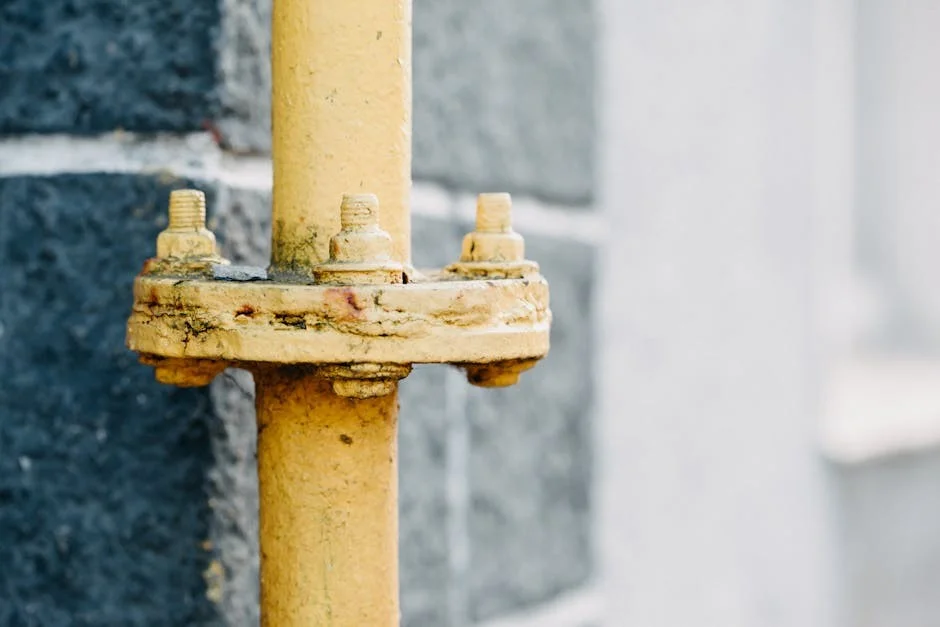
When to Replace Old Plumbing Pipes in Your Home — a question thousands of homeowners search for each month. This guide provides a comprehensive, practical answer with real data, cost tables, and actionable advice.
Part of: Home Plumbing Maintenance Guide
Key Takeaways
- This guide covers everything you need to know about when to replace plumbing pipes
- Includes real cost data and national averages for 2026
- Step-by-step guidance based on industry best practices
- Know when to DIY and when to call a licensed plumber
- For emergencies, call 1-888-24-PLUMB — available 24/7
Overview: When to Replace Old Plumbing Pipes in Your Home
Understanding when to replace plumbing pipes is essential knowledge for every homeowner. Whether you're dealing with this issue for the first time or want to be better prepared, this guide covers the key facts, typical costs, and best practices.
According to industry data, plumbing issues in this category affect millions of US homeowners annually. The key to managing them effectively is understanding what's involved before a problem occurs.
Key Facts and Costs
| Factor | Details |
|---|---|
| Typical cost range | Varies by job complexity and region |
| DIY feasibility | Some tasks are DIY-friendly; major work requires a licensed plumber |
| Permit required? | Depends on jurisdiction and scope of work |
| Time to complete | 1 hour to several days depending on scope |
| When to call a plumber | Any work involving pipe modification, gas lines, or permits |
For complete pricing data, see our Plumbing Costs & Pricing Guide.
Ready to Hire a Licensed Plumber?
HomeAdvisor matches you with pre-screened, licensed plumbers in your area.
Get Free Quotes — HomeAdvisorHow It Works: Step-by-Step
Here's what the process looks like from start to finish:
According to the Bureau of Labor Statistics, there are approximately 480,600 plumbers employed in the United States with a median annual wage of $61,550. The U.S. EPA reports that household water leaks can waste nearly 10,000 gallons per year.
- Assessment: Determine the scope of what needs to be done. For complex issues, a licensed plumber can diagnose the root cause.
- Materials and tools: Gather everything needed before starting. For professional work, your plumber will supply materials.
- Execution: Follow proper procedure — safety first, then quality of work.
- Testing: Verify everything works correctly before considering the job done.
- Documentation: Keep records of any work done, especially if permits were involved.
When to Hire a Professional
While some plumbing tasks are suitable for confident DIYers, others require a licensed professional:
- Any work requiring permits (water heater replacement, sewer work, gas lines)
- Work inside walls, under slabs, or requiring access to the main water line
- Gas line work — always requires a licensed, gas-certified plumber
- When DIY attempts have failed or the problem keeps recurring
Use our ZIP code search to find licensed plumbers in your area, or call 1-888-24-PLUMB for immediate assistance.
Prevention and Long-Term Maintenance
Most plumbing issues are preventable with regular maintenance:
- Annual professional inspection for homes over 10 years old
- Address small problems before they become expensive emergencies
- Know where your main water shutoff is located at all times
- Keep a record of all plumbing work done in your home
Complete prevention guide: Home Plumbing Maintenance Guide.
Frequently Asked Questions
Costs vary significantly by location, scope of work, and contractor. For national average pricing, see our Plumbing Costs Guide. Getting 3 written quotes from licensed plumbers is the best way to ensure you're paying a fair price in your specific market.
Permit requirements vary by jurisdiction. As a general rule: any new installation, replacement of major components, or work that changes the routing of pipes requires a permit in most jurisdictions. Your licensed plumber will know local requirements and should pull required permits on your behalf.
Use our ZIP code search tool to find pre-screened licensed plumbers in your area. You can also use HomeAdvisor or Angi for vetted professionals. Always verify the license number on your state's licensing board website.
For plumbing emergencies: shut off the water supply immediately, then call a 24/7 emergency plumber. Our dispatch line 1-888-24-PLUMB connects you with licensed emergency plumbers available around the clock. Full guide: Emergency Plumbing Guide.