
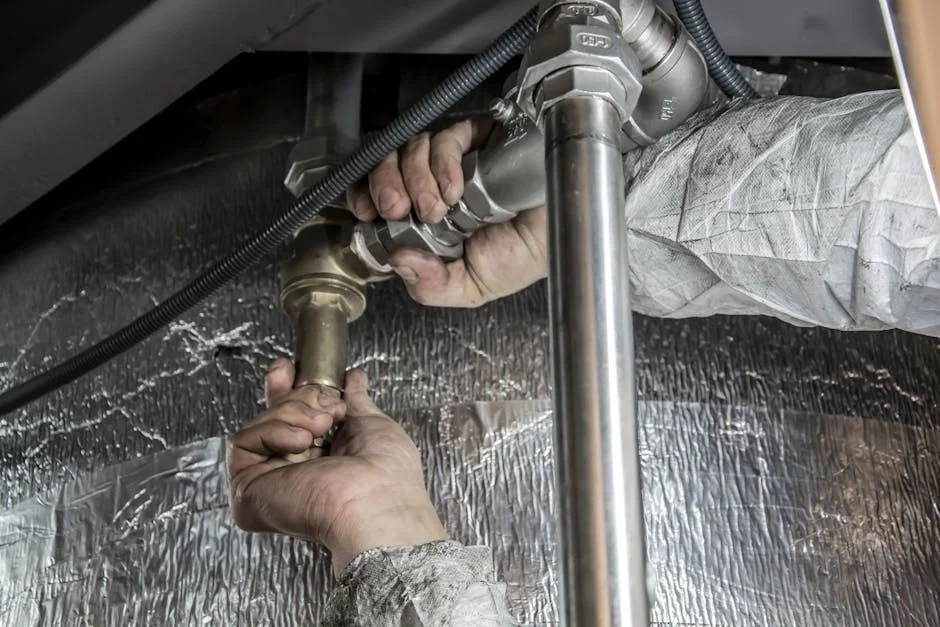
Key Maintenance Facts
- Preventive plumbing maintenance costs $200–$500/year; the emergencies it prevents average $3,000–$10,000
- The average home's water heater should be flushed annually — most homeowners never do this
- Galvanized pipes in homes built before 1960 should be inspected immediately — failure risk increases significantly after 50 years
- Hard water affects 85% of US households and shortens appliance lifespan by 30–50% without treatment
- Most plumbing emergencies are preventable with basic annual maintenance
Why Plumbing Maintenance Saves Money
Most homeowners think about plumbing only when something goes wrong. This reactive approach costs significantly more than a proactive maintenance routine. Consider: a $150 annual water heater flush extends tank life by 3–5 years, saving $1,000–$2,500 in premature replacement costs. An $80 annual drain cleaning prevents a $400 emergency clog. A $50 pipe inspection catches a hairline crack before it becomes a $15,000 flood.
The EPA estimates that household leaks waste nearly 1 trillion gallons of water nationwide each year. A dripping faucet wastes 3,000+ gallons annually; a running toilet wastes up to 200 gallons per day. Fixing these leaks saves both water and money on utility bills.
Annual Plumbing Maintenance Checklist
Complete this full inspection once per year — early spring is ideal (after winter stress, before summer demand).
Water Heater
- Flush the tank to remove sediment (see detailed instructions in water heater maintenance guide)
- Test the pressure relief valve — should open and reseat cleanly
- Inspect anode rod — replace if less than half its original diameter
- Check for corrosion at connections, relief valve, and tank base
- For tankless: descale heat exchanger if you have hard water
Drains and Sewer
- Run water in all rarely-used fixtures to refill P-traps (prevents sewer gas entry)
- Snake or treat sluggish drains before they become full clogs
- Inspect the main cleanout location — should be accessible and cap should seal properly
- For homes over 20 years old: consider a sewer camera inspection every 3–5 years
Fixtures and Valves
- Operate all shutoff valves (under every sink, behind toilets, at water heater) — they seize if never turned
- Test main water shutoff valve — know its location and confirm it works
- Check under all sinks for moisture, drips, or mold growth
- Inspect toilet internals — flapper, fill valve, flush valve — replace any leaking components
- Check all faucet aerators — clean or replace if clogged with mineral deposits
Pipes and Water Supply
- Check water pressure with a gauge (should be 40–60 PSI; above 80 PSI requires a PRV)
- Inspect visible pipes in basement, crawl space, and under sinks for corrosion, rust staining, or moisture
- Test water quality with a basic test kit (especially for well water)
Seasonal Maintenance by Climate
Fall (Before Freezing Temperatures)
- Disconnect and drain outdoor hoses and faucets
- Locate and insulate pipes in unheated areas (attic, crawl space, garage)
- Test sump pump before wet/freeze season
- Service heating system — a furnace failure leaves pipes exposed to freezing
Winter (Cold Climate Homes)
- Know the location of your main shutoff valve — especially before travel
- Keep home heated to at least 55°F when away for extended periods
- Open cabinet doors under sinks on exterior walls during extreme cold
- Let faucets drip slightly during temperature extremes (below 15°F)
Full guide: How to Prevent Frozen Pipes This Winter.
Spring (After Winter)
- Reconnect outdoor hoses and inspect outdoor faucets for winter damage
- Inspect your roof and gutters — clogged gutters cause water intrusion affecting plumbing
- Check sump pump function as snowmelt increases groundwater levels
- Full annual inspection (see checklist above)
Summer (Hot/Dry Climates)
- Check irrigation system for leaks — can waste thousands of gallons
- Inspect hose bibs and outdoor spigots
- Clean aerators and showerheads clogged with mineral buildup
Drain and Sewer Maintenance
Blocked drains are the most common plumbing service call — and the most preventable.
What Clogs Drains
| Drain Type | Most Common Clog Causes | Prevention |
|---|---|---|
| Kitchen sink | Grease, food particles, coffee grounds | Strainer, never pour grease down drain |
| Shower/bathtub | Hair, soap scum | Hair strainer, monthly enzymatic cleaner |
| Bathroom sink | Hair, toothpaste, soap | Pop-up stopper cleaning, strainer |
| Toilet | Wipes (even "flushable"), excess paper | Flush only toilet paper |
| Main sewer line | Tree roots, grease accumulation, pipe collapse | Camera inspection every 3–5 years |
For DIY unclogging techniques, read: How to Unclog a Drain Without Calling a Plumber.
Water Heater Maintenance
Your water heater is typically the second largest energy user in your home (after heating/cooling). Proper maintenance is among the highest-ROI investments you can make.
Annual Flushing Procedure
- Turn the thermostat to "pilot" or "vacation" mode
- Connect a garden hose to the drain valve at the tank base
- Run the other end to a floor drain or outside
- Open a hot water faucet to allow air into the tank
- Open the drain valve and let water drain until it runs clear
- Close the valve, remove hose, and return thermostat to normal setting
Note: On older tanks or those that have never been flushed, the drain valve may be stuck or fail to close properly. In this case, call a licensed plumber rather than risk a flood.
Pipe and Fixture Maintenance
Pipe Lifespan Reference
| Pipe Material | Expected Lifespan | Watch For |
|---|---|---|
| Copper | 50–70+ years | Green corrosion (pinhole leaks), pitting |
| PEX (cross-linked polyethylene) | 40–50+ years | UV degradation if exposed, rodent damage |
| Galvanized steel | 40–50 years | Rust in water, reduced flow rate, exterior corrosion |
| PVC/CPVC | 25–40 years | Cracking, joint failures |
| Cast iron (drain) | 75–100 years | Rust, scaling, cracks |
| Polybutylene (gray) | Replace immediately | High failure rate — class action settlement material |
| Lead | N/A — health hazard | Replace immediately per EPA guidelines |
More: When to Replace Old Plumbing Pipes and PEX vs Copper: Which is Better?
Water Quality Maintenance
According to the USGS, approximately 85% of US homes have hard water. Hard water leaves mineral scale that:
- Reduces water heater efficiency by up to 22%
- Clogs showerheads and faucet aerators
- Shortens dishwasher and washing machine life by 30–50%
- Causes soap scum and film on surfaces
Read our comparison guide: Hard Water vs Soft Water: Impact on Your Plumbing.
Essential Plumbing Tools Every Homeowner Should Own
| Tool | Cost | Use |
|---|---|---|
| Plunger (cup and flange) | $10–$25 | Clearing toilet and drain clogs |
| Drain snake (hand auger) | $20–$50 | Clearing stubborn sink and tub clogs |
| Adjustable pipe wrench | $20–$40 | Tightening and loosening pipe connections |
| Plumber's tape (Teflon tape) | $2–$5 | Sealing threaded pipe connections |
| Water pressure gauge | $10–$20 | Testing home water pressure |
| Water meter key | $15–$25 | Accessing street shutoff |
| Flashlight / headlamp | $15–$30 | Inspecting dark areas |
| Wet/dry vacuum | $50–$150 | Water cleanup during emergencies |
Learn proper usage: How to Use Plumber's Tape Correctly and How to Use Plumber's Putty.
DIY Maintenance Tasks You Can Do Yourself
- Cleaning faucet aerators: Unscrew, soak in vinegar overnight, rinse and reinstall
- Replacing toilet flapper: Costs $5–$15 and stops running toilet waste
- Applying plumber's tape: Use on all threaded pipe connections you assemble
- Unclogging simple drains: Plunger first, then hand snake
- Replacing showerhead: 10-minute job with a wrench and plumber's tape
- Testing water pressure: Screw gauge onto hose bib; read PSI
When Maintenance Requires a Licensed Plumber
- Annual water heater inspection and anode rod check (especially if tank is over 8 years old)
- Sewer camera inspection for homes over 20 years old
- Water pressure regulator service or replacement
- Any maintenance that requires opening walls, cutting pipes, or work near gas lines
- Main shutoff valve replacement (your main water supply is not DIY territory)
Related How-To Guides
- How to Use Plumber's Tape (Teflon Tape) Correctly
- How to Use Plumber's Putty: Application Guide
- Plumber's Tape vs Plumber's Putty: When to Use Each
- Annual Plumbing Maintenance Checklist
- How to Prevent Frozen Pipes This Winter
- Signs Your Water Heater Needs Replacing
- How to Unclog a Drain Without Calling a Plumber
- When to Replace Old Plumbing Pipes
- Hard Water vs Soft Water: Impact on Plumbing
- How Long Does Plumber's Putty Take to Dry?
Frequently Asked Questions
For homes under 10 years old: every 2–3 years. For homes 10–25 years old: annually. For homes over 25 years old (especially with original plumbing): annually, with a sewer camera inspection every 3–5 years. Older galvanized steel, cast iron, or clay pipes need more frequent monitoring.
Annual water heater maintenance — specifically flushing sediment — is the single highest-ROI maintenance task for most homeowners. A water heater that loses 10% efficiency due to sediment costs $50–$150 extra per year in energy. Flushing prevents premature failure and can extend tank life by 3–5 years.
Hard water leaves white chalky deposits (calcium scale) on faucets, shower heads, and in appliances. A simple test kit ($10 at hardware stores) measures water hardness in grains per gallon (GPG). Above 7 GPG is considered hard. Hard water reduces water heater efficiency by up to 22% and shortens fixture lifespan significantly.
Install drain strainers in all showers and tubs. Never pour grease, coffee grounds, or fibrous foods down drains. Run hot water for 30 seconds after doing dishes. Use enzymatic drain cleaners monthly in high-use drains. Avoid chemical drain cleaners (Drano) which corrode pipes over time — use a drain snake for clogs instead.
Galvanized steel: replace after 40–50 years (or earlier if you see rust in water or reduced pressure). Lead pipes: replace immediately. Polybutylene (gray plastic, common in homes built 1978–1995): replace proactively — failure rate is high. Copper: 50–70+ year lifespan with proper water chemistry. PEX: 40–50+ year expected lifespan.
A pressure-reducing valve (PRV) regulates water pressure entering your home. Ideal water pressure is 40–60 PSI. Pressure above 80 PSI accelerates wear on all fixtures, appliances, and pipes, and can void appliance warranties. If your pressure exceeds 80 PSI (test with a $15 gauge), a PRV ($300–$600 installed) is highly recommended.
The national average plumber hourly rate in 2026 is $75 to $150 per hour, with a median around $100/hour. Emergency and after-hours calls add a 50-100% premium.
Compare at least 3 written quotes for any job over $200. National averages from resources like the Bureau of Labor Statistics and HomeAdvisor can give you a baseline. Always ask for itemized quotes that separate labor, parts, and permit fees.
Most jurisdictions require permits for significant plumbing work including new pipe installations, water heater replacements, and gas line projects. Minor repairs typically do not require permits. Check with your local building department.
Ask: (1) Are you licensed in this state? (2) Are you insured and bonded? (3) Do you charge by the hour or flat rate? (4) Will you pull necessary permits? (5) What warranty do you offer on labor?