
How to Prevent Frozen Pipes This Winter: Complete Guide
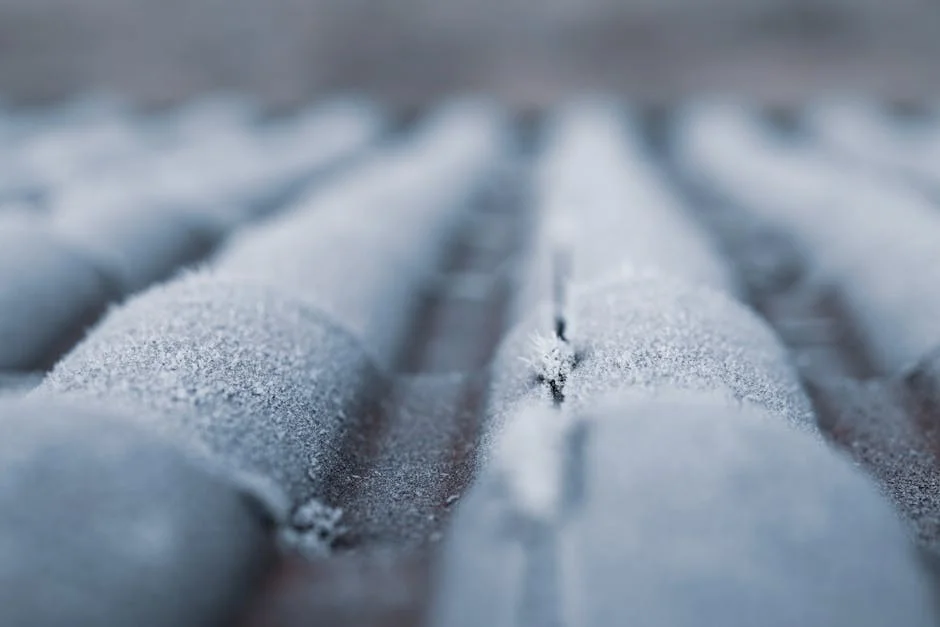
Frozen pipes cause an average of $5,000+ in water damage when they burst. At temperatures below 20°F, unprotected pipes can freeze in a matter of hours. This guide covers exactly which pipes are at risk, how to protect them, and what to do if they freeze anyway.
Part of: Home Plumbing Maintenance Guide
Key Takeaways
- Pipes begin to freeze at 20°F (-7°C) — especially in unheated spaces
- The highest risk pipes: attic, crawl space, garage, exterior walls
- Keeping heat above 55°F when away prevents most freeze events
- Pipe insulation costs $0.25–$2/linear foot — one of the best ROI plumbing investments
- Burst pipes cause $5,000–$70,000 in water damage — prevention is critical
Which Pipes Are at Risk of Freezing?
Not all pipes are equally vulnerable. The highest-risk locations:
According to the Bureau of Labor Statistics, there are approximately 480,600 plumbers employed in the United States with a median annual wage of $61,550. The U.S. EPA reports that household water leaks can waste nearly 10,000 gallons per year.
- Exterior walls: Pipes run inside walls with exterior exposure are common freeze points, especially in older homes with poor insulation
- Unheated basements and crawl spaces: Especially if the foundation isn't insulated
- Attics: Some homes route pipes through attic spaces — extremely vulnerable in cold climates
- Garages: Pipes to garage laundry or utility sinks often run through unheated space
- Outdoor hose bibs: Should always be winterized
- Under kitchen sinks on exterior walls: Especially with cabinet doors closed
How to Prevent Pipes from Freezing: 7 Proven Methods
1. Insulate Exposed Pipes
Foam pipe insulation ($0.25–$1/linear foot at hardware stores) is the most effective long-term solution. It's easy to install: measure, cut, and snap around pipes. Pay special attention to pipes in unheated areas.
2. Seal Air Leaks Near Pipes
Cold air infiltration into wall cavities is a primary freeze cause. Caulk gaps around pipes where they enter through floors, walls, and ceilings. Use spray foam for larger gaps.
3. Keep Heat On When Away
Thermostat minimum of 55°F when leaving the home — even for a weekend. The cost of heating is a fraction of the cost of a burst pipe.
4. Open Cabinet Doors
On extremely cold nights, open cabinet doors under sinks on exterior walls. This allows warm air to circulate around the pipes.
5. Let Faucets Drip
During extreme cold snaps (below 10°F), let both hot and cold taps drip slightly at fixtures served by vulnerable pipes. Moving water is significantly harder to freeze than standing water.
6. Disconnect Outdoor Hoses
Before the first freeze each fall: disconnect and drain all outdoor hoses, and shut off outdoor faucet supply valves from inside the home. Leave the outdoor faucet slightly open to drain any remaining water.
7. Install Heat Tape (for High-Risk Pipes)
Electric heat tape ($20–$80) wraps around pipes and provides supplemental heat. Use only UL-listed products and follow installation instructions carefully. Best for pipes in unheated areas that can't be economically insulated any other way.
Temperature vs Freeze Risk
| Outdoor Temperature | Risk Level | Actions Recommended |
|---|---|---|
| Above 32°F (0°C) | None | Normal winter precautions sufficient |
| 20–32°F (-7 to 0°C) | Low | Maintain indoor heat above 55°F |
| 10–20°F (-12 to -7°C) | Moderate | Open cabinets, let faucets drip if vulnerable pipes |
| 0–10°F (-18 to -12°C) | High | Let vulnerable faucets drip, monitor constantly |
| Below 0°F (-18°C) | Very High | All precautions active; check pipes every few hours |
Ready to Hire a Licensed Plumber?
Read verified reviews from real homeowners and get competing quotes.
Find Plumbers on AngiWhat to Do If Pipes Freeze
If you turn on a faucet and no water flows, a pipe may be frozen. Act quickly:
- Locate the frozen pipe — it's usually in an unheated area or exterior wall
- Open the affected faucet slightly to relieve pressure as pipe thaws
- Apply gentle heat: hair dryer, heating pad, or electric heat lamp (never open flame)
- Work from the faucet toward the frozen area — never heat a closed pipe from the middle
- If the pipe has already burst: shut off the main water supply immediately and call an emergency plumber
Emergency resources: Emergency Plumbing Guide and What to Do When a Pipe Bursts.
Cost of Freeze Prevention vs Burst Pipe Repair
| Prevention Measure | Cost | Compared To... |
|---|---|---|
| Pipe insulation (50 ft) | $15–$50 | Burst pipe repair: $400–$1,500 |
| Heat tape (25 ft) | $25–$60 | Water damage cleanup: $2,500–$15,000 |
| Heating bill increase (all winter) | $100–$300 | Emergency plumber: $300–$800 |
| Outdoor faucet insulator cover | $5–$15 | Outdoor pipe replacement: $200–$600 |
Frequently Asked Questions
Pipes can begin to freeze when outdoor temperatures drop below 20°F (-7°C), especially if the pipe is in an unheated area or along an exterior wall. At 0°F or below, even pipes with some insulation are at significant risk. The rate of freezing depends on insulation, airflow, and how far indoor heat reaches the pipe.
Focus on faucets served by pipes in the most vulnerable locations — exterior walls, unheated spaces. You don't need to let every faucet in the house drip. Even a slight drip ($0.50–$2.00/day in water cost) is worth it to prevent a $5,000+ burst pipe repair.
Yes — if pipes run through unheated spaces (attic, crawl space, garage), the indoor heat doesn't reach them effectively. Pipes along poorly insulated exterior walls can also freeze even with the thermostat at 68°F if there's a cold air gap in the wall cavity.
Signs include: water stains on ceilings or walls, water pooling on floors, significantly reduced water pressure, or no water from some fixtures. If you suspect a burst pipe, shut off the main water supply immediately and call an emergency plumber.