
24/7 Emergency Plumbing Service — Response in Under 60 Minutes
Burst pipes, flooding, sewer backups, gas leaks. Licensed emergency plumbers available right now.
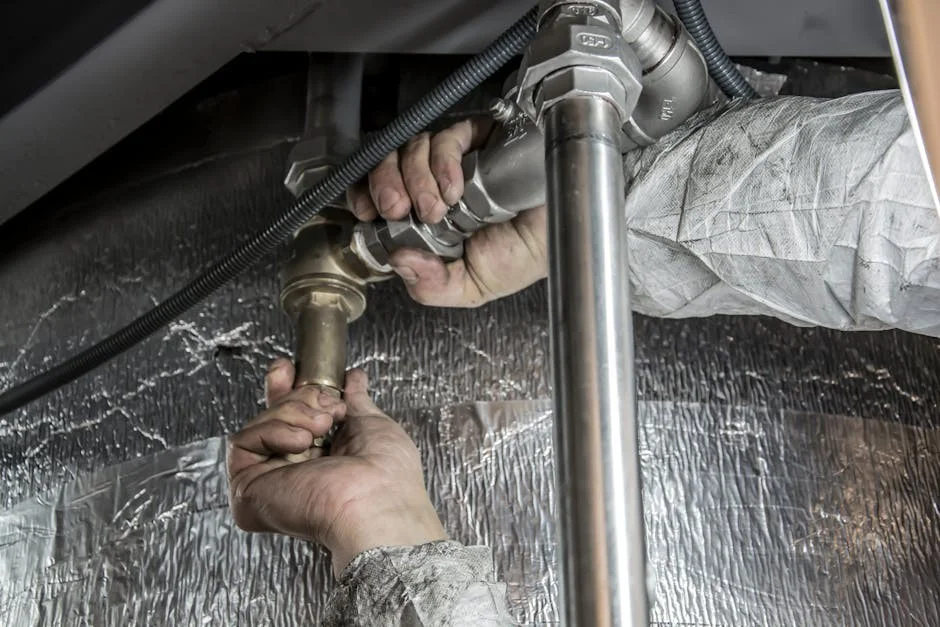
About Emergency Plumbing
A plumbing emergency doesn't wait for business hours — and neither should you. When a pipe bursts, sewage backs up into your home, or water is actively flooding your floors, every minute of delay means thousands more dollars in water damage, structural damage, and mold remediation costs. That's why Plumb Fix Now maintains a network of licensed emergency plumbers available 24 hours a day, 7 days a week, 365 days a year — including holidays.
True plumbing emergencies require immediate professional response: burst or frozen pipes releasing water into walls or floors, sewer line backups flooding bathrooms or basements, gas line leaks (evacuate immediately and call both the gas company AND a licensed plumber), a water heater that's actively flooding its surroundings, or any situation where water cannot be stopped even with the main shutoff valve closed.
Emergency plumbing service costs more than standard service — typically 1.5x to 2.5x the normal rate due to after-hours labor, the priority response requirement, and the emergency equipment mobilization. An emergency drain clearing that normally costs $150–$250 might run $300–$500 after midnight. This is still far less than the cost of water damage — a flooded basement can easily cost $10,000–$50,000 to dry out, remediate mold, and restore.
While waiting for the emergency plumber to arrive, take these immediate steps: locate and shut off the main water supply valve (usually near the water meter, in the basement, or outside the home), turn off power to the water heater if there's flooding nearby, open faucets to drain remaining water from pipes, document the damage with photos for insurance, and call your homeowner's insurance company if there's significant water intrusion.
Emergency Plumbing Cost Guide — 2026 National Averages
Costs vary by location, access, and job complexity. Use these as starting benchmarks.
| Service Item | Typical Range | Low End | High End |
|---|---|---|---|
| Emergency service call fee | $150–$300 | $100 | $400 |
| Burst pipe repair (emergency) | $400–$900 | $300 | $1,500 |
| Sewer backup emergency | $300–$700 | $200 | $1,200 |
| Gas leak emergency response | $300–$600 | $200 | $1,000 |
| After-hours drain clearing | $250–$500 | $150 | $700 |
| Emergency water heater repair | $350–$700 | $200 | $1,200 |
* Prices based on national averages. Rates in major metro areas (New York, San Francisco, Los Angeles) typically run 30–80% higher. Rural areas may be 10–20% lower.
Signs You Need Professional Emergency Plumbing
Turn off the main water supply immediately. Every minute a burst pipe flows can release 200+ gallons of water. This is the definition of a plumbing emergency.
Sewage is a health hazard containing bacteria and pathogens. A backup into living spaces requires immediate professional response — do not attempt to clear it yourself.
A failing shutoff valve during a leak means you cannot stop the water. Call the water utility to shut off at the street while waiting for an emergency plumber.
If you smell gas near your water heater, stove, or furnace — evacuate immediately, call 911 and your gas utility, then call a licensed emergency plumber/gas fitter.
Strong sewage odor throughout the home (not just near drains) can indicate a broken sewer line under the slab or in the walls — a health hazard requiring urgent diagnosis.
If the float valve fails and the toilet won't stop filling and overflowing, shut off the valve at the base of the toilet and call for emergency service.
What to Expect from Your Emergency Plumbing Service
Dispatcher takes your information and dispatches the nearest available emergency plumber
Plumber arrives typically within 45–90 minutes (time varies by location and availability)
Immediate triage: stop active water flow, assess damage scope
Emergency repair to stop flooding: pipe patching, drain clearing, or valve replacement
Assessment of additional damage and written scope for full repair
Documentation provided for insurance claim if needed
Follow-up full repair scheduled if emergency patch was placed
DIY vs. Professional Emergency Plumbing
| Approach | When It Works | When to Call a Pro |
|---|---|---|
| Shutting off main water supply | ✓ Every homeowner should know this | ✗ Essential first step — locate your main shutoff before an emergency happens |
| Using a hose bib for burst pipe | ✓ Temporary pipe clamp can slow a leak | ✗ Hardware store pipe repair clamps are a temporary solution only |
| Plunging a backed-up toilet | ✓ Appropriate first response for toilet clogs | ✗ Never use a plunger if sewage is backing up from multiple drains — indicates sewer line issue |
| Gas smell response | ✓ Evacuate and call gas utility | ✗ Do NOT attempt any DIY repair on a gas line — call professionals only |
Find a Emergency Plumbing Pro Through Our Partners
Compare quotes from top-rated local plumbers on the platforms homeowners trust most.
Get a Free Emergency Plumbing Quote
Fill out the form — a licensed plumber will call you within 15 minutes.