
PEX vs Copper Piping: Which Is Better for Your Home?
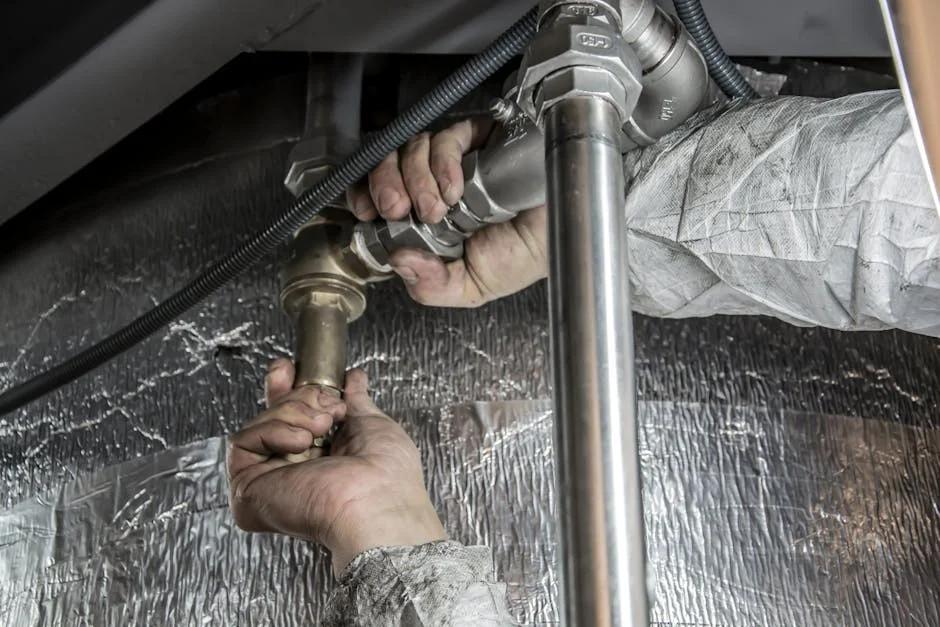
PEX and copper are the two dominant pipe materials used in modern home plumbing. PEX has largely taken over for new construction and repipes due to its lower cost and easier installation, while copper remains the gold standard for longevity. Here's how they compare on every factor that matters for homeowners.
Part of: Plumbing Services Explained
Key Takeaways
- PEX costs 25–35% less than copper for materials and installation
- Copper pipe lasts 50–70+ years; PEX is projected at 40–50+ years
- PEX is more freeze-resistant — it expands rather than shattering
- Copper is preferred where outdoor UV exposure is a concern — PEX degrades in sunlight
- Both materials are code-approved for residential plumbing in all US states
PEX and Copper: What They Are
Copper is the traditional pipe material for residential supply lines. It's used since the early 1900s and has a proven track record of durability. Copper requires soldering or press fittings for connections.
PEX (cross-linked polyethylene) is a flexible plastic pipe that gained widespread adoption in the US in the 1990s. PEX uses push-to-connect, crimp, or expansion fittings that can be installed without heat or special tools, making it faster and easier to install.
Head-to-Head Comparison
| Factor | PEX | Copper |
|---|---|---|
| Material cost (per linear ft) | $0.40–$0.60 | $2.00–$5.00 |
| Installation labor | Lower (flexible, fewer connections) | Higher (rigid, more joints) |
| Expected lifespan | 40–50+ years | 50–70+ years |
| Freeze resistance | Excellent (expands) | Poor (shatters) |
| UV resistance | Poor (must be covered) | Excellent |
| Chemical resistance | Excellent | Moderate (acidic water causes pitting) |
| Bacteria resistance | Good (PEX-A) | Excellent (natural antimicrobial) |
| Noise (water hammer) | Less (flexible pipe absorbs) | More (rigid pipes transmit) |
| Recyclability | Limited | Fully recyclable, high value |
Types of PEX: A, B, and C
Not all PEX is identical — there are three manufacturing methods:
According to the Bureau of Labor Statistics, there are approximately 480,600 plumbers employed in the United States with a median annual wage of $61,550. The U.S. EPA reports that household water leaks can waste nearly 10,000 gallons per year.
| Type | Manufacturing | Key Property | Best Use |
|---|---|---|---|
| PEX-A | Peroxide (Engel method) | Most flexible, best memory, expansion fittings | Preferred for cold climates; most professional repipes |
| PEX-B | Silane method | Stiffer, less flexible, crimp fittings | Common, widely available, good performance |
| PEX-C | Radiation crosslinking | Most rigid; less common | Commercial applications |
Most professional plumbers use PEX-A for residential repipes due to its superior flexibility and freeze resistance.
Ready to Hire a Licensed Plumber?
Read verified reviews from real homeowners and get competing quotes.
Find Plumbers on AngiWhen Copper Is Still the Right Choice
Despite PEX's advantages, copper remains preferred in these situations:
- Outdoor applications: PEX degrades in UV light — copper must be used where pipe is exposed to sunlight
- Near hot appliances: PEX cannot be used within 18 inches of a water heater — copper makes the connections near heat sources
- High-value construction: Some buyers and appraisers still prefer copper in luxury home markets
- Areas where local codes prefer copper: Some municipalities have specific requirements
In practice, modern residential repipes often use PEX throughout with short copper stub-outs at fixtures and appliances — getting the best of both materials.
Total Project Cost: PEX vs Copper Repipe
| Home Size | PEX Repipe | Copper Repipe | Savings with PEX |
|---|---|---|---|
| 1,000 sq ft / 1 bath | $3,000–$6,000 | $4,500–$8,000 | $1,500–$2,000 |
| 1,500 sq ft / 2 bath | $4,500–$8,000 | $6,500–$11,000 | $2,000–$3,000 |
| 2,500 sq ft / 3 bath | $7,000–$12,000 | $10,000–$16,000 | $3,000–$4,000 |
Full repiping cost guide: How Much Does It Cost to Repipe a House?
Frequently Asked Questions
Yes — PEX pipe manufactured to ASTM standards (required in the US) is approved for potable water by NSF International and all major plumbing codes. Some early PEX formulations had minor taste/odor concerns, but modern NSF-certified PEX has no drinking water safety issues.
Industry data and manufacturer warranties suggest PEX lasts 40–50+ years under normal residential conditions. Long-term performance data is limited because PEX has only been widely used in the US since the 1990s, but accelerated aging tests project 50+ year lifespans.
Yes — using a brass or copper-to-PEX transition fitting. Mixing materials is common in practice, especially when adding PEX to an existing copper system or making short copper connections near heat sources. Both materials are compatible in the same system.
PEX is significantly more resistant to freeze damage than copper or CPVC because it can expand up to about 3x its diameter before rupturing. However, it is not freeze-proof — severe or prolonged freezing can still cause damage. Proper insulation remains important in cold climates.