
How to Get a Plumber's License: State-by-State Guide
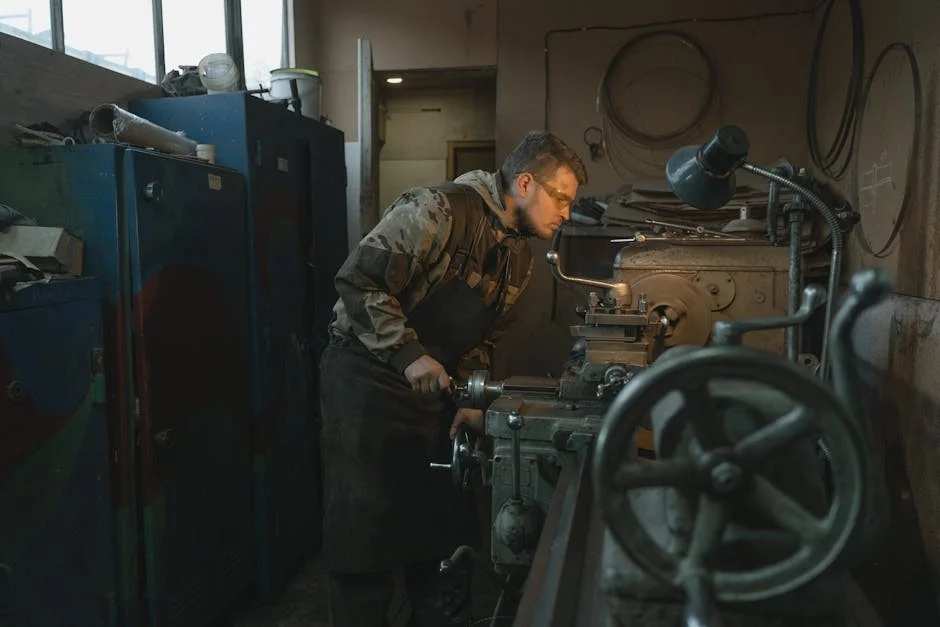
Getting a plumbing license requires completing a formal apprenticeship, accumulating required hours, and passing a state examination. The process typically takes 4–7 years from start to journeyman license, and 7–10 years to master plumber. Here's a complete roadmap.
Part of: Complete Guide to Hiring a Plumber
Key Takeaways
- Journeyman license requires 4–5 years of apprenticeship (8,000–10,000 hours)
- Master plumber license requires 7–10 years total experience
- Most states require passing a written licensing exam covering plumbing codes
- Starting salary during apprenticeship: $35,000–$50,000 (paid while learning)
- PHCC and UA union programs offer structured apprenticeship pathways
Plumber Licensing: The Basic Framework
Plumbing licensing follows a tiered structure in most states:
According to the Bureau of Labor Statistics, there are approximately 480,600 plumbers employed in the United States with a median annual wage of $61,550. The U.S. EPA reports that household water leaks can waste nearly 10,000 gallons per year.
| License Level | Requirements | What You Can Do |
|---|---|---|
| Apprentice | Enrollment in approved apprenticeship program | Work under licensed supervision |
| Journeyman | 3,000–10,000 hrs experience + exam | Most plumbing work independently |
| Master Plumber | Additional years + advanced exam | Pull permits, own business, supervise |
| Contractor License | Master license + business requirements | Operate a plumbing business |
Step 1: Starting an Apprenticeship
The most common pathway to a plumbing license is through a formal apprenticeship program. These are offered by:
- PHCC (Plumbing-Heating-Cooling Contractors Association): Industry association with apprenticeship programs nationwide
- UA (United Association of Plumbers and Pipefitters): Union-based apprenticeship with some of the highest wages and benefits
- Independent contractor apprenticeships: Some states allow apprenticeship under any licensed master plumber
Apprenticeships typically run 4–5 years, combining on-the-job training with classroom instruction. You earn $35,000–$50,000/year while training — making plumbing one of the best-paying ways to learn a trade.
Step 2: Becoming a Journeyman Plumber
Requirements vary by state but typically include:
- Completing the required hours (varies: 3,000–10,000 depending on state)
- Passing a written exam on state plumbing codes and best practices
- Application fee ($50–$250)
- Proof of work experience from licensed supervisor(s)
The exam typically covers the International Plumbing Code (IPC) or state-specific plumbing code, math, pipefitting, and safety requirements.
Ready to Hire a Licensed Plumber?
Read verified reviews from real homeowners and get competing quotes.
Find Plumbers on AngiStep 3: Becoming a Master Plumber
After journeyman licensure, working an additional 2–5 years and passing an advanced master plumber exam qualifies you for master status. Requirements include:
- Proof of journeyman license and additional experience years
- Advanced written exam (plumbing codes, business practices, supervision)
- Some states require a practical skills examination
A master plumber license allows you to: pull permits independently, supervise apprentices, and legally operate a plumbing business.
License Requirements by State
| State | Journeyman Hours | Master Requirement | Issuing Authority |
|---|---|---|---|
| Texas | 8,000 hrs | Additional exam + experience | TX State Board of Plumbing Examiners |
| California | Contractor license only (no journeyman) | C-36 contractor exam | CSLB |
| Florida | 4,000 hrs | Exam + additional years | FL DBPR |
| New York | Varies by city/county | Local jurisdiction | Local boards |
| Illinois | 4 years apprenticeship | 2 years journeyman + exam | IL IDOL |
| Arizona | 4,000 hrs | Additional exam | AZ ROC |
Browse all 50 state plumbing guides for complete licensing information for your state.
Frequently Asked Questions
The timeline to journeyman is typically 4–5 years. To master plumber: 7–10 years total. Some states with lower hour requirements can be completed faster; union programs often have more structured timelines.
Online coursework can supplement your education (theory, code study, exam prep), but hands-on apprenticeship hours cannot be completed online. Physical, supervised on-the-job training is required in all states.
Yes — in most states, plumbing licenses must be renewed every 1–3 years. Renewal typically requires continuing education (CE) credits and a renewal fee. An expired license means the plumber cannot legally perform licensed work.
Generally no — plumbing licenses are state-specific. Some states have reciprocity agreements that allow license transfer, but most require applying for a new license in each state where you want to work. This is an important consideration for plumbers who move or work across state lines.