
Licensed vs Unlicensed Plumber: The Risks You Need to Know
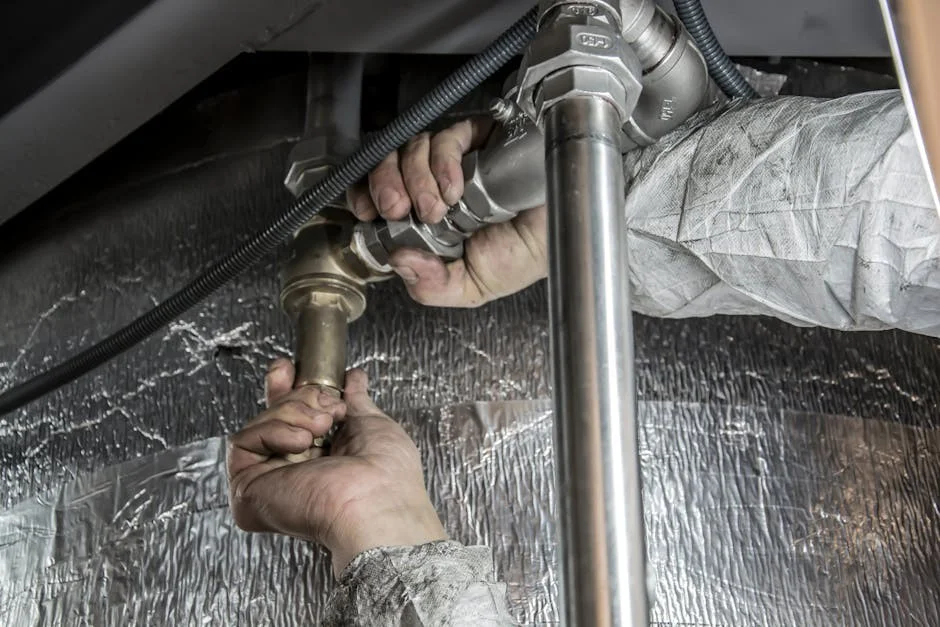
Unlicensed plumbing work is not just legally risky — it's financially dangerous. When unpermitted or improperly installed plumbing fails, insurance companies routinely deny claims, municipalities require the work to be torn out and redone at the homeowner's expense, and property sale closings collapse. Here's exactly what's at stake.
Part of: Complete Guide to Hiring a Plumber
Key Takeaways
- Unlicensed plumbing work can void your homeowner's insurance on related claims
- Unpermitted work must be brought to code at your expense when selling your home
- You may face municipal fines for work done without required permits
- Unlicensed work has a dramatically higher rate of failure and defects
- Always verify a plumber's license — takes less than 60 seconds online
What 'Licensed' Actually Means for a Plumber
A licensed plumber has completed a formal apprenticeship (typically 4–5 years, 8,000–10,000 hours), passed a state examination on plumbing codes and practice, and carries liability insurance and workers' compensation. The license is issued by a state or local governing body and can be verified online.
According to the Bureau of Labor Statistics, there are approximately 480,600 plumbers employed in the United States with a median annual wage of $61,550. The U.S. EPA reports that household water leaks can waste nearly 10,000 gallons per year.
An unlicensed plumber is simply someone doing plumbing work without these credentials — they may have informal experience or none at all. They cannot legally pull permits for work that requires them, and their work is not backed by any regulatory body.
The Real Risks of Hiring an Unlicensed Plumber
| Risk | How It Affects You | Potential Cost |
|---|---|---|
| Insurance denial | Insurer refuses claim citing unpermitted/unlicensed work | Full damage cost out-of-pocket ($2,500–$70,000+) |
| Home sale complications | Inspection reveals unpermitted work; must fix before closing | $1,000–$15,000 in corrections |
| Municipal fines | Code enforcement issues citation for unpermitted work | $100–$5,000 |
| Work quality issues | Improper installation leads to leaks, failures | $500–$50,000 in resulting damage |
| No recourse | Unlicensed contractor has no bond; lawsuits are costly and rarely recover full losses | Legal fees $2,000–$10,000+ |
How Unlicensed Work Affects Your Homeowner's Insurance
This is the most important risk most homeowners don't understand. Standard homeowners insurance policies contain clauses requiring that major work be performed by licensed contractors and that required permits be obtained. When a claim arises from work performed without these requirements:
- The insurer investigates the origin of the damage
- If unlicensed work or missing permits are discovered, the entire claim can be denied
- Even if the unlicensed work didn't directly cause the damage, some policies use this as grounds for denial
A homeowner who paid $800 to an unlicensed plumber to save money may face $15,000 in uninsured water damage when that work fails. This is not hypothetical — it's one of the most common reasons insurance claims are denied.
Ready to Hire a Licensed Plumber?
HomeAdvisor matches you with pre-screened, licensed plumbers in your area.
Get Free Quotes — HomeAdvisorHow to Verify a Plumber's License in 60 Seconds
- Ask the plumber for their license number before scheduling
- Visit your state's contractor licensing board website (search "[your state] plumber license lookup")
- Enter the license number or company name
- Confirm the license is: active, not expired, and matches the contractor's name
- Check for any disciplinary history or complaints
Full guide: How to Check if a Plumber is Licensed and Insured. Use our state guides to find your state's licensing board directly.
When Unlicensed Work Is Legally Permitted
In most states, homeowners can legally perform certain plumbing work on their own primary residence without a license. This typically includes:
- Replacing a faucet or showerhead
- Replacing a toilet fill valve or flapper
- Cleaning drain traps
However, even this work may require permits in some jurisdictions, and performing it incorrectly can create liability. For anything beyond basic fixture maintenance — especially water heaters, pipe work, sewer lines, or gas — always hire a licensed professional.
Frequently Asked Questions
It depends on jurisdiction. In most states, it's not illegal for the homeowner to hire an unlicensed plumber for work that doesn't require permits. However, it is typically illegal for the unlicensed plumber to perform work that requires a license. The homeowner assumes all liability for the results.
Ask directly for their license number, then verify it on your state's contractor licensing board website. A legitimate plumber will provide this information immediately. Hesitation or refusal to provide a license number is a major red flag.
You can apply for a retroactive permit ('as-built permit') in many jurisdictions. The work will be inspected, and if it doesn't meet code, corrections must be made at your expense. The cost varies widely — minor corrections might be $500; major corrections can run $5,000–$20,000+.
Larger companies generally are, but it's still worth verifying. The company license, individual technician licenses, and insurance should all be current. Some companies use unlicensed subcontractors — always ask if the person coming to your home is a company employee or subcontractor, and verify their specific credentials.