
Residential vs Commercial Plumber: Key Differences Explained
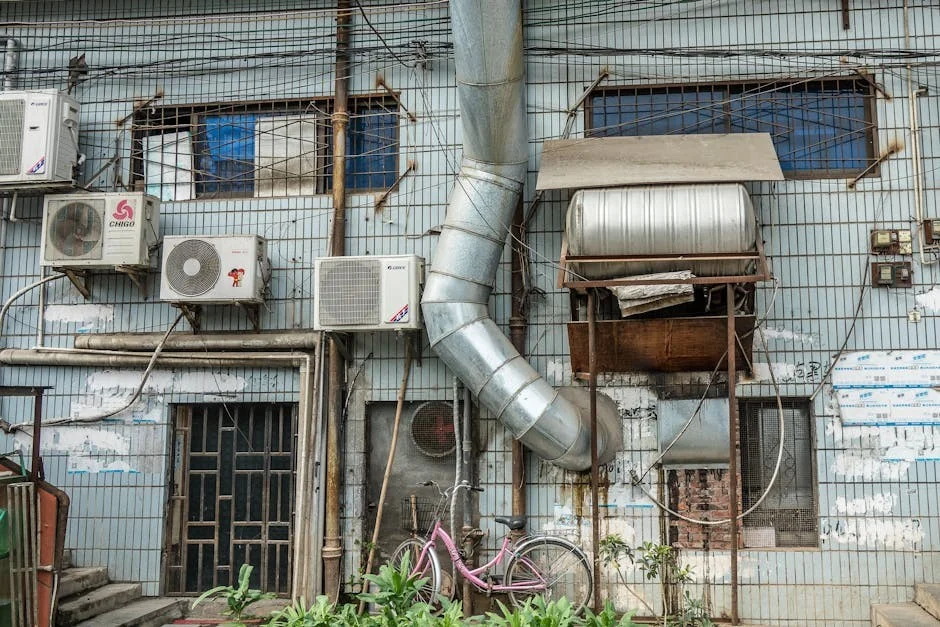
Residential plumbing handles the water, drain, and gas systems in homes. Commercial plumbing manages much larger, more complex systems in offices, restaurants, apartment buildings, and industrial facilities. While both require plumbing licenses, the systems, codes, and specialized knowledge differ significantly.
Part of: Complete Guide to Hiring a Plumber
Key Takeaways
- Commercial plumbing involves larger pipe diameters, higher pressures, and greater complexity
- Commercial systems are subject to stricter code requirements including backflow prevention
- Many residential plumbers cannot legally work on commercial systems without additional endorsements
- Commercial plumbing costs are typically 3–10x higher than residential for comparable services
- For multi-unit residential (apartments), commercial plumbing knowledge is required
Key Differences Between Residential and Commercial Plumbing
| Factor | Residential | Commercial |
|---|---|---|
| Pipe size | 1/2"–2" typical | 1/2"–6"+ in large buildings |
| Water pressure | 40–80 PSI | Up to 150 PSI in some systems |
| Code requirements | Residential plumbing code | Commercial code (stricter); ADA requirements |
| System complexity | 1–2 bathrooms, kitchen, laundry | Hundreds of fixtures, multiple floors |
| Backflow prevention | Sometimes required | Required by code in virtually all commercial settings |
| Work hours | Daytime, homeowner present | Often after-hours to avoid business disruption |
| Project scale | Hours to days | Days to months |
What Makes Commercial Plumbing Unique
Commercial plumbing addresses systems that residential plumbers rarely encounter:
According to the Bureau of Labor Statistics, there are approximately 480,600 plumbers employed in the United States with a median annual wage of $61,550. The U.S. EPA reports that household water leaks can waste nearly 10,000 gallons per year.
- Grease traps: Required in all commercial kitchens to prevent FOG (fats, oils, grease) from entering municipal sewer systems. Must be professionally cleaned regularly.
- Backflow prevention assemblies: Legally required devices that prevent contaminated water from flowing back into the drinking water supply. Must be tested annually.
- Boiler systems: Large commercial water heating systems serving entire buildings rather than individual water heaters
- Medical gas systems: In healthcare settings, specialized plumbers install oxygen, nitrous oxide, and other medical gas lines
- Industrial process piping: Specialty systems for manufacturing facilities
What This Means for Homeowners
Most homeowners only need a residential plumber. However, you may need commercial plumbing expertise if you:
- Own a multi-unit property (duplex, apartment building)
- Run a home business with commercial kitchen or industrial equipment
- Are converting a commercial space to residential
- Need a grease trap for an ADU with a full kitchen
Learn more about commercial services: Commercial Plumbing Services.
Ready to Hire a Licensed Plumber?
HomeAdvisor matches you with pre-screened, licensed plumbers in your area.
Get Free Quotes — HomeAdvisorHow to Find the Right Type of Plumber
When contacting a plumbing company, be specific about your situation:
- For a single-family home: any licensed residential plumber applies
- For a restaurant or commercial kitchen: ask specifically for commercial plumbing experience and grease trap expertise
- For a multi-unit building (4+ units): ask if the plumber is experienced with commercial water systems
Use our ZIP code search to find licensed plumbers in your area, or see our hiring guide for full vetting instructions.
Commercial vs Residential Plumbing Costs
| Service | Residential Cost | Commercial Cost |
|---|---|---|
| Drain cleaning | $100–$350 | $200–$800 |
| Water heater / boiler | $800–$3,000 | $3,000–$50,000+ |
| Pipe repair | $200–$2,000 | $1,000–$20,000+ |
| Backflow preventer test | $50–$150 | $150–$500 per assembly |
| Grease trap cleaning | N/A | $300–$1,000 per service |
Frequently Asked Questions
Not necessarily. While the license may be valid, many commercial systems require specialized knowledge, equipment, and sometimes additional endorsements or certifications. Always ask about commercial experience when calling plumbers for non-residential work.
Yes — commercial plumbing typically costs more per hour due to the higher complexity, specialized equipment, and often after-hours scheduling required to minimize business disruption.
A master plumber has passed the highest-level licensing exam. A plumbing contractor is a business entity licensed to contract plumbing work. In most states, a plumbing contracting business must be owned or supervised by a licensed master plumber.
For larger multi-unit buildings (typically 4+ units), yes. These buildings have commercial-grade water supply systems, larger drain lines, and more complex infrastructure that requires commercial plumbing expertise.