
What Do Plumbers Actually Do? Services, Skills & Scope Explained
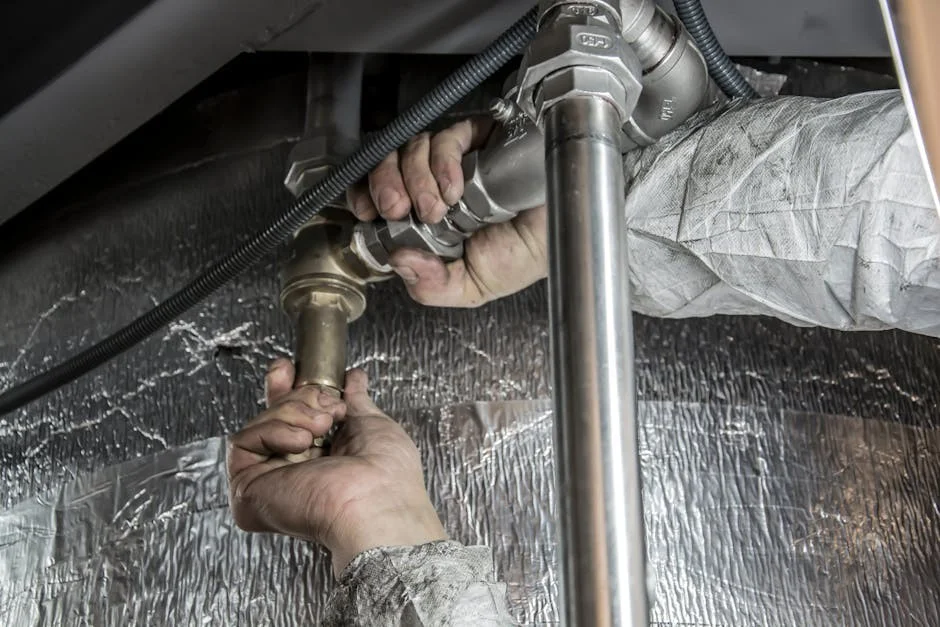
Plumbers install, repair, and maintain the systems that bring clean water into your home and carry wastewater away. The scope of plumbing work is broader than most homeowners realize — it includes everything from a dripping faucet to gas line installation to full home repiping. Here's exactly what a plumber can do for you.
Part of: Complete Guide to Hiring a Plumber
Key Takeaways
- Plumbers handle 10+ distinct service categories including drains, pipes, water heaters, sewers, and gas lines
- Not all plumbers are certified for gas line work — always verify specific certifications
- Licensed plumbers can pull permits for major work — unlicensed contractors cannot
- The BLS reports 480,000+ licensed plumbers working in the US
- Always verify a plumber's license before hiring — use your state licensing board
Core Plumbing Services: What Plumbers Do
A licensed plumber's scope of work covers virtually every water, drain, and gas system in a residential or commercial building. Here's a comprehensive breakdown:
According to the Bureau of Labor Statistics, there are approximately 480,600 plumbers employed in the United States with a median annual wage of $61,550. The U.S. EPA reports that household water leaks can waste nearly 10,000 gallons per year.
| Service Category | Common Jobs | Who Needs It |
|---|---|---|
| Drain Cleaning | Snaking, hydro-jetting, clog removal | Every homeowner, periodically |
| Water Heater Work | Repair, flush, replacement, new install | All homes (WH lifespan: 8–15 yrs) |
| Pipe Work | Leak repair, pipe replacement, full repipe | Older homes, burst pipes, remodels |
| Sewer Line Work | Camera inspection, cleaning, repair, replacement | Homes with trees, older pipes, clogs |
| Fixture Repair | Toilets, faucets, showers, bathtubs | All homes, ongoing |
| Gas Lines | Installation, repair, leak detection | Homes with gas appliances |
| Water Treatment | Softeners, filters, RO systems | Hard water areas, well water homes |
| Remodeling | Bathroom/kitchen rough-in, fixture moves | Remodelers and builders |
What Makes a Plumber Licensed?
A licensed plumber has completed formal training and examination requirements that typically include:
- 4–5 year apprenticeship (8,000–10,000 hours of on-the-job training)
- Technical classroom education (plumbing codes, math, pipe systems)
- Passing a state licensing examination
- Carrying general liability and workers' compensation insurance
In most states, unlicensed plumbing work on anything beyond simple maintenance (replacing a faucet, cleaning a drain) is illegal. Work requiring permits must always be performed by a licensed contractor. See: Licensed vs Unlicensed Plumber: The Risks.
Ready to Hire a Licensed Plumber?
Read verified reviews from real homeowners and get competing quotes.
Find Plumbers on AngiWhat Tools Does a Plumber Use?
Professional plumbers carry specialized equipment that homeowners don't own:
- Electric drain snake/auger: Motorized cable for clearing deep clogs
- Hydro-jetter: High-pressure water system (1,500–4,000 PSI) for pipe cleaning
- Sewer camera: Waterproof video inspection camera on a flexible cable
- Leak detection equipment: Electronic sensors that locate hidden leaks through walls and slabs
- Pipe threading machine: Creates threaded ends on steel pipe
- Torch and solder kit: For copper pipe connections
- Pipe press tools: For quick, flameless copper and PEX connections
When Plumbers Pull Permits
One of the key distinctions of a licensed plumber is the ability to pull permits for major work. Permit-required work includes:
- Water heater replacement (in most jurisdictions)
- Any new pipe installation
- Sewer line repair or replacement
- Gas line work (always)
- New bathroom or kitchen rough-in
- Full home repipe
If a contractor asks YOU to pull the permit (instead of pulling it themselves), this is a serious red flag — it typically means they're unlicensed. See our Plumbing Permits Guide for full details.
How to Find and Hire the Right Plumber
Now that you know what plumbers do, finding the right one for your specific need is straightforward:
- Identify your specific service need (drain, water heater, pipe, etc.)
- Use our ZIP code search to find licensed local plumbers
- Verify their license on your state licensing board
- Get 2–3 written estimates for any job over $300
- Check reviews on Google and the BBB
Full guide: Complete Guide to Hiring a Plumber.
Frequently Asked Questions
Many licensed plumbers are also certified for gas line work, but not all — it requires additional training and certification in most states. When calling about a gas issue, specifically ask if the plumber holds a gas certification. Never attempt gas line work yourself.
Yes — plumbers handle the plumbing portion of bathroom remodels, including moving or adding supply lines, drain lines, and installing new fixtures. They typically work alongside tile contractors, electricians, and general contractors rather than handling the full remodel themselves.
Professional drain cleaning services (like Roto-Rooter) specialize in clearing blockages but may not be licensed for broader plumbing work like pipe repair, water heater replacement, or permit work. A licensed plumber can do everything a drain service does plus all other plumbing repairs.
No — roof leaks are the domain of roofers. However, if a roof leak has caused water to damage interior plumbing, pipes, or fixtures, a plumber handles the plumbing portion while a roofer addresses the roof itself.